
New Outlets Wired to the Circuit Behind Them
Outlet installation in San Diego for homes with two-prong receptacles, overloaded circuits, or locations that have never had a dedicated outlet
Adding an outlet to a wall is straightforward. Adding an outlet correctly—one that will not trip breakers, overheat, or demand a call back in eighteen months—requires checking the circuit feeding it first. A large share of older San Diego homes were originally wired with two-prong, ungrounded receptacles and limited branch circuits that were sized for the appliance loads of the 1950s and 1960s, not a modern kitchen counter or home office wall. Dorado Electrical Solutions handles each outlet installation with that circuit check built into the job from the start, which is why the owner handles every project personally rather than delegating to a crew that may not catch what the wiring behind the box reveals.
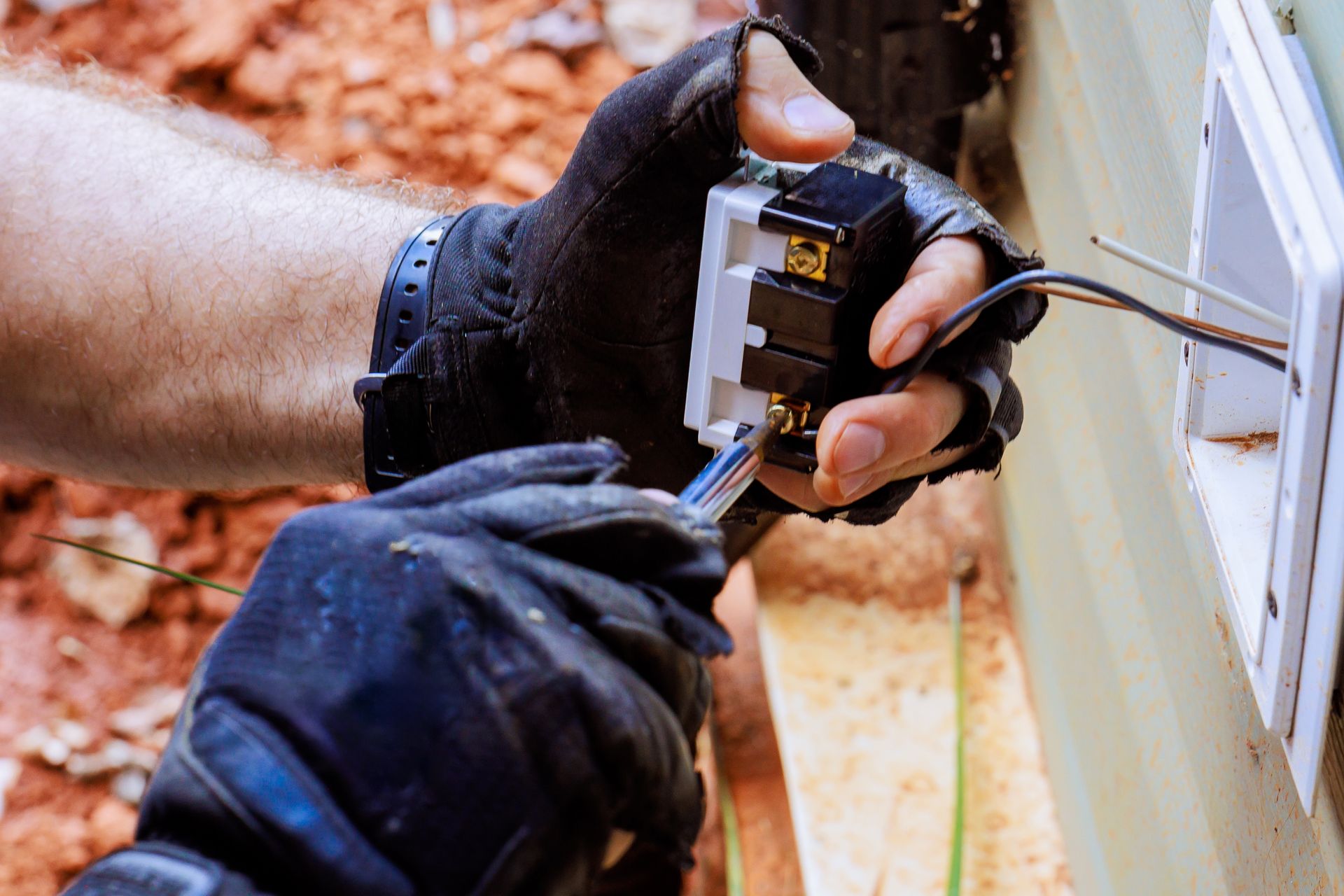
The work begins at the outlet location with a check of the existing wiring—wire gauge, circuit amperage, and whether the current load on that branch has room for what will be added. If the circuit is already at capacity, extending it is not the right move; the job may require a new dedicated run from the panel. Once the circuit situation is confirmed, new cable is run or the existing circuit is extended, the properly rated receptacle is installed, and the outlet is tested before the box is closed. That final test is not optional—it is how the job is confirmed complete.
Schedule a site visit to have the existing circuit at your outlet location evaluated before any work is quoted or started.
The receptacle type matters as much as the location. Bathrooms, kitchens, garages, and outdoor locations require GFCI-protected outlets under current code, and older homes in neighborhoods like Del Cerro frequently still have standard receptacles in those locations. Where an outlet is being replaced or added in a GFCI-required zone, the correct device is installed as part of the job—not flagged as an optional upgrade. The wire gauge feeding the outlet also determines what receptacle is rated for that circuit; a 15-amp device on a 20-amp circuit, or vice versa, is a code violation that becomes a hazard under sustained load.
Once the outlet is installed and tested, the visible result is a properly seated receptacle with no movement in the box, correct polarity confirmed by a receptacle tester, and GFCI functionality verified by the test and reset buttons where applicable. Dorado Electrical Solutions tests each outlet before closing the wall so you are not discovering a wiring issue the first time you plug something in.
Homes being updated from two-prong to three-prong receptacles have two code-compliant paths: running new grounded cable to each outlet location, or installing GFCI receptacles, which are permitted as a two-prong replacement without a ground wire provided they are labeled as such. Which approach makes sense depends on the panel location, wall access, and how many outlets are involved—all factors the owner reviews on site before quoting.
What Property Owners Ask About Outlet Work
The following questions address what happens during an outlet installation, what determines the scope of the job, and what indicates the work was completed correctly.
How does the electrician determine whether the existing circuit can support a new outlet?
The owner checks the wire gauge at the box, identifies which breaker controls the circuit, and reviews the other devices already on that branch. A 15-amp circuit feeding a bedroom with several existing outlets has less headroom than a dedicated run, and that calculation happens before any new work is committed.
What determines whether a GFCI outlet is required at a given location?
Code requires GFCI protection at any outlet within six feet of a water source, in garages, on exterior walls, and in unfinished basement spaces. In San Diego homes that predate the 1978 NEC adoption of those requirements, these locations often still have unprotected receptacles that need to be brought up to current standard when touched.
Why does running a new circuit from the panel sometimes make more sense than extending an existing one?
When the branch circuit feeding the outlet location is already at or near its rated capacity, adding another device creates a persistent tripping risk under normal use. A new dedicated run gives the outlet its own breaker and full rated amperage, which matters most for kitchen countertop locations and home-office setups drawing from multiple devices simultaneously.
What is involved in replacing two-prong outlets in an older home?
The first step is confirming whether the existing wiring includes a ground conductor. Wiring from the 1950s and 1960s often does not. Where a ground wire is absent, GFCI receptacles are the code-permitted replacement option and must be labeled to indicate they are not grounded.
How do you confirm the outlet has been installed correctly before the job is closed?
A receptacle tester plugged into the finished outlet checks polarity, ground presence or GFCI status, and confirms the device is reading live voltage on the correct terminal. That test result is visible before the cover plate goes on and before the electrician leaves the site.
Dorado Electrical Solutions also installs and replaces outlets in Chula Vista, Bonita, La Mesa, San Carlos, and Coronado. To get a free estimate for outlet work at your San Diego property, call (951) 454-8624 and speak with the owner directly.