Ceiling Box Rated Before the Fan Goes Up
Ceiling fan installation in San Diego for homes where the existing box was never built to hold a moving fixture
Many San Diego homes—particularly those built during the post-war tract development that defined neighborhoods like Spring Valley—were wired with standard light boxes that hold a light fixture just fine but are not rated to support the dynamic load of a spinning fan. Dorado Electrical Solutions addresses this directly: before any fan is mounted, the owner confirms whether the existing ceiling box is rated for a fan, and replaces it with a fan-rated bracket when it is not. That single step is what separates a properly installed fan from one that works loose over time.
The installation sequence starts with a box rating check at the ceiling, followed by bracket replacement if the current box fails that review. Once the support is confirmed, the fan is mounted, wired, and connected to either a wall switch or a remote control receiver depending on what the job calls for. Before the visit, your quote will confirm whether you supply the fan unit or whether Dorado Electrical Solutions provides it, so there are no surprises on installation day.
Arrange an on-site estimate to confirm whether your ceiling box needs upgrading before the fan is ordered.
The bracket swap is the part of a fan installation that most homeowners do not anticipate. A fan-rated brace is designed to anchor into the ceiling joist or to span between joists with an expandable bar rated for the combined static and dynamic load of a moving fixture. Standard light boxes are rated only for static weight and will work loose over months of fan operation, which is how a securely-looking fan becomes a safety concern without any visible warning sign.
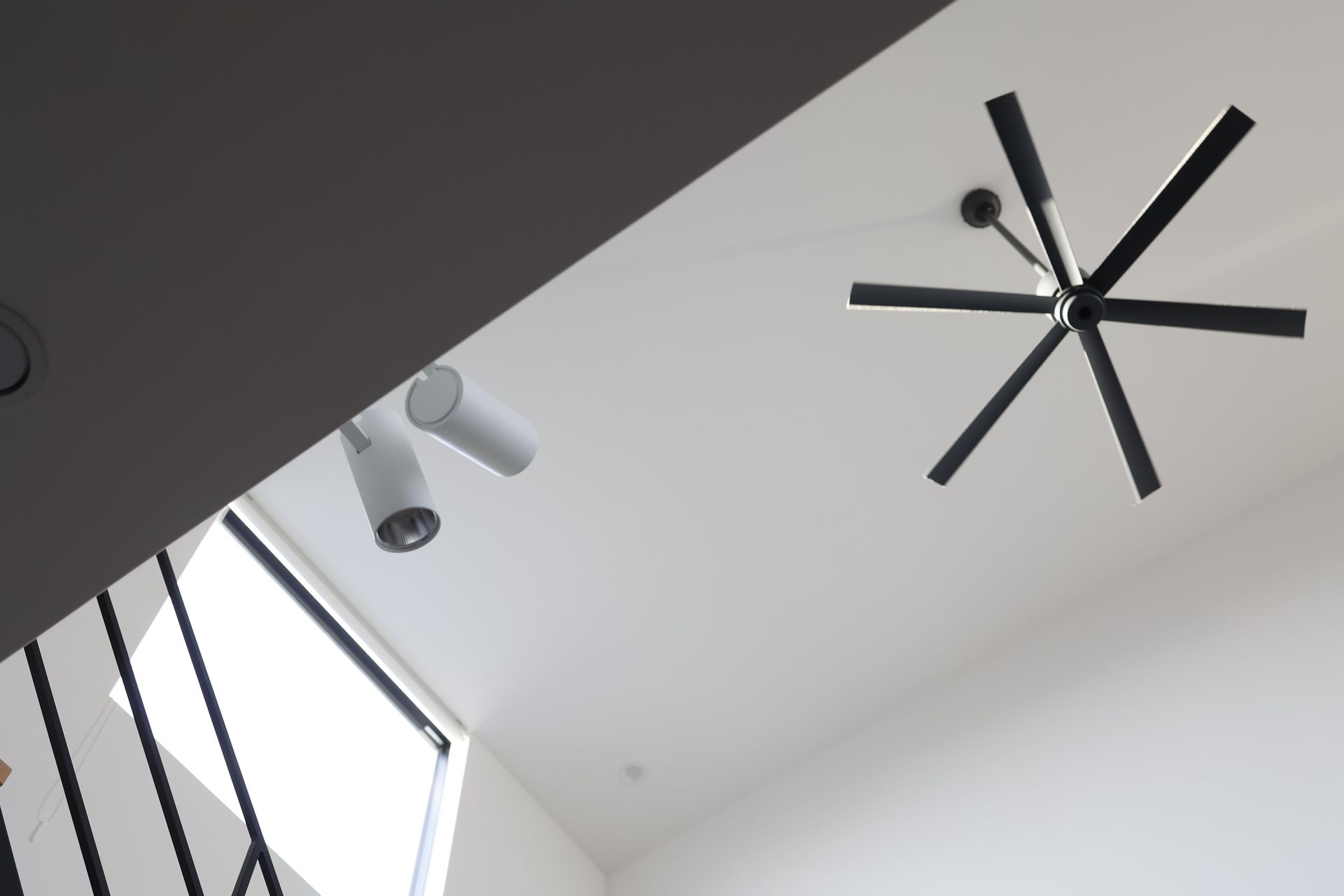
Once the correct support is in place, the wiring connection determines whether your fan operates on a wall switch, a pull chain, or a remote receiver. After mounting and wiring are finished, you will notice the fan runs without wobble at all speed settings—a clear indicator that the bracket is properly set and the blade arms are balanced. In homes like those in Santee where older builder-grade boxes are common, that final stability check is the most telling sign the job was done correctly.
Dorado Electrical Solutions is licensed, insured, and owner-operated, with a military discount available and free estimates offered on every job. The owner handles the work personally, which means the person who assesses your ceiling box is the same person who installs the fan.
What Homeowners Ask About Fan Installation
The questions below address how ceiling fan installation actually works—what happens during the job, what affects the approach, and what you should see when it is finished.
What does confirming a ceiling box rating actually involve?
The electrician checks whether the box is marked as fan-rated, typically stamped on the housing, and physically tests how it is anchored—whether it is nailed directly to a joist or held by a brace spanning between joists. An unmarked or light-duty plastic box is replaced regardless of how solid it feels.
How is the wiring connected when there is no existing wall switch for the fan?
A remote receiver is wired into the fan's canopy so the fan operates on the remote alone, which avoids running new switch wiring through finished walls. This is a common approach in San Diego homes where adding a dedicated switch would require opening drywall.
What happens if the ceiling has no existing light fixture or wiring at the fan location?
The job becomes a new circuit run rather than a straight swap, which means tracing a path from the panel and fishing wire through the ceiling and walls before any bracket or fan work begins.
Why does a fan wobble even when it appears to be mounted securely?
Wobble typically comes from one of three sources: blade arms that are not perfectly level with each other, a loose bracket connection at the ceiling box, or a box that is flexing under load because it is not fan-rated. Balancing kits address blade-arm variance but do not fix a structural bracket problem.
What should you check in the finished installation before the electrician leaves?
Confirm that the fan runs smoothly at low, medium, and high speed without any lateral movement at the canopy, that the switch or remote changes speeds cleanly, and that the light kit, if included, operates on its own control without interference from the fan speed circuit.
Dorado Electrical Solutions also installs ceiling fans in Chula Vista, Bonita, La Mesa, San Carlos, and Coronado. To get started with a free estimate for your San Diego home, call (951) 454-8624 and speak directly with the owner.