Backup Power Sized to What You Actually Run
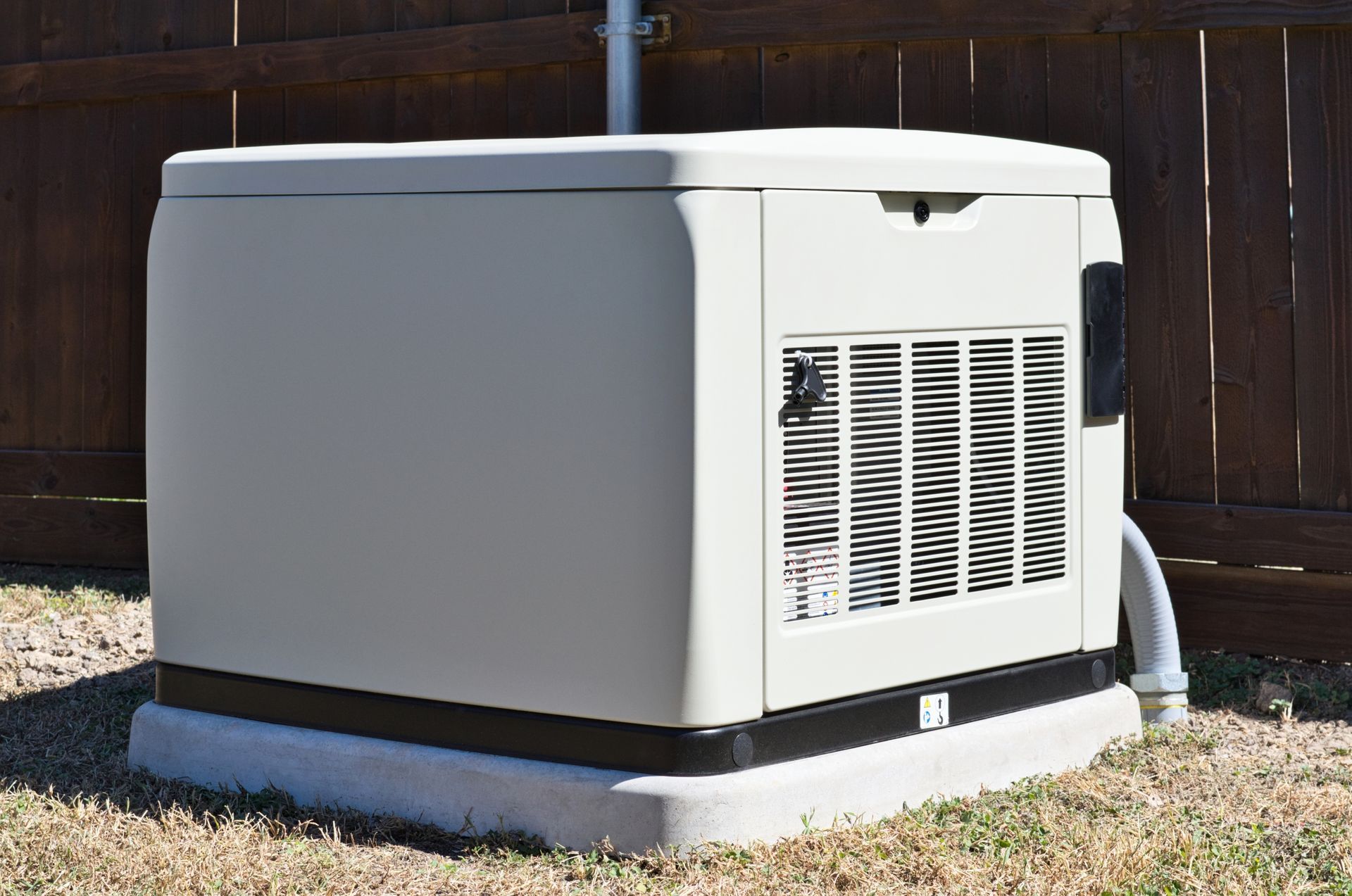
Generator Installation in San Diego for homes where panel capacity must be assessed before a transfer switch can be added
Connecting a standby generator to a house isn't a matter of running a cable from the generator to the panel—it requires a transfer switch that isolates the backed-up circuits from the utility line, and that switch has to fit the existing service. Dorado Electrical Solutions starts every generator installation with a load review to confirm what circuits are being backed up, what the generator connection will require from the existing panel, and whether there is room for transfer equipment without first modifying the service. In San Diego's older neighborhoods, including La Mesa and Santee, panels with no open slots or no space for a transfer switch are the rule rather than the exception, which means the generator connection frequently begins with the same panel assessment that a service upgrade would.
The quote covers the generator connection, transfer switch, and the circuits designated for backup power. Installation involves placing the transfer equipment, making the connections between the transfer switch and the panel, and testing the changeover—the moment when utility power is interrupted and the generator assumes the load. The generator unit itself, the fuel line, and any concrete pad are separate items that must be confirmed in the quote scope, because those components involve different contractors and permitting tracks.
Schedule a load review to confirm what your panel can support and what the transfer switch installation will require.
The transfer switch is the critical piece of a generator installation because it prevents backfeed—the condition where generator power flows back through the meter onto the utility line, which creates a hazard for utility workers restoring service after an outage. A manual transfer switch isolates selected circuits and requires the homeowner to make the switch manually when utility power fails. An automatic transfer switch detects the outage and starts the generator without manual intervention, which is the configuration most homeowners prefer for a standby system. The choice between them affects both the installation scope and the upfront cost, and Dorado Electrical Solutions confirms which type is being quoted before any work is scheduled.
After the transfer equipment is installed and tested, the changeover from utility to generator power is confirmed to happen cleanly—circuits drop briefly during the transition and then resume on generator power without tripping breakers or losing settings on sensitive electronics. The circuits that are included in the backup group are exactly those agreed upon in the quote, labeled clearly at both the transfer switch and the main panel so the operation is straightforward during an actual outage.
The permit for generator transfer equipment is separate from any permit for the generator unit or gas line, and the electrical inspection covers the transfer switch wiring, grounding, and the connections at the panel. Dorado Electrical Solutions is a licensed and insured electrical contractor operating since 2004, and a military discount is available on all installations.
Questions Before Starting Your Generator Project
These questions address the electrical side of generator installation—how the connection is assessed, what the transfer switch involves, and what the inspection covers.
How does the load review determine which circuits to include in the backup group?
The review identifies the circuits carrying the loads you want to keep running during an outage—typically refrigeration, lighting in primary rooms, medical equipment, and HVAC if the generator is sized for it—and confirms their combined draw fits within the generator's rated output. Overloading a generator by backing up too many circuits at once causes the generator to shut down on overload protection, which defeats the purpose of the installation.
What happens at the panel when a transfer switch is added to an older San Diego home?
In panels with no available slots, adding a transfer switch may require combining existing breakers onto tandem units to free up space, or installing a subpanel to house the backed-up circuits separately. The load review identifies which approach is needed before the quote is written, so there are no scope additions on installation day.
Why must the transfer switch isolate backed-up circuits from the utility line?
Backfeed is the primary reason: generator power flowing back through the meter onto the distribution line energizes what utility workers assume is a de-energized line. The transfer switch creates a physical break between the utility side and the generator-fed circuits, which is a code requirement rather than a preference.
What does the changeover test confirm during the final step of installation?
The test interrupts simulated utility power and confirms that the transfer switch initiates correctly, the generator assumes the load within the expected time, and the backed-up circuits restore without tripping. For automatic transfer switches, the test also confirms that the control wiring between the switch and the generator's start terminals is functioning as specified.
How does the electrical permit inspection differ from the generator's fuel or mechanical inspection?
The electrical inspection covers the transfer switch wiring, connections at the panel, and the grounding system for the generator. The gas line and generator unit are inspected under separate mechanical and plumbing permits, which are typically pulled by the contractor handling that portion of the work.
Dorado Electrical Solutions also installs generator connections in Chula Vista, Bonita, La Mesa, San Carlos, and Coronado. To start with a load review and a quote covering the transfer equipment and panel work your home requires, call Dorado Electrical Solutions at (951) 454-8624.