Diagnosing Power Issues Before They Escalate
Electrical Troubleshooting in San Diego for circuits that trip repeatedly, outlets that stop working, and flickering lights without clear cause
Many homes in San Diego were built between the 1950s and 1970s with aluminum wiring, original panel boxes, and circuits sized for far less electrical load than modern households demand. Dorado Electrical Solutions performs electrical troubleshooting across the county to identify why systems fail, where connections degrade, and what conditions create intermittent problems. You need this service when breakers trip without obvious reason, when outlets lose power in specific rooms, or when lights dim and brighten unpredictably—all signs that something in the circuit path has failed or degraded beyond its designed capacity.
Troubleshooting begins with isolating the circuit or device that fails, testing voltage at multiple points along the path, and checking connections inside panels, junction boxes, and fixtures. In older San Diego properties, the investigation often reveals backstabbed outlets, wire nuts that have loosened over decades, or breakers that no longer hold their rated load. The process moves systematically from the panel outward, ruling out each potential failure point until the actual fault is identified.
Schedule a diagnostic evaluation to identify the source of recurring electrical issues in your property.
Effective troubleshooting requires testing tools that measure voltage, continuity, and current draw under load, not just visual inspection. You check whether power reaches each point in the circuit, whether connections conduct properly, and whether the breaker itself has degraded internally. In homes where multiple circuits share neutral wires—common in older construction—a problem in one circuit can cause symptoms in another, which requires tracing shared paths through junction boxes and subpanels.
Once the fault is located, you see exactly what failed: a charred wire inside an outlet, a breaker that trips at half its rated amperage, or a loose connection that arcs intermittently. The troubleshooting process identifies not just where the problem is, but what caused it—whether it's age, improper installation, or load that exceeds the circuit design. That diagnosis determines what repair or upgrade resolves the issue permanently rather than temporarily masking it.
Troubleshooting does not include rewiring entire circuits or replacing panels, but it does identify when those upgrades are necessary. The service focuses on diagnosis and smaller-scale repairs that restore function to existing systems, such as replacing failed devices, tightening connections, or swapping out breakers that no longer perform correctly.
Questions Before Starting Your Project
Electrical issues in older neighborhoods can stem from outdated materials or installation methods that were standard decades ago but no longer meet today's demands. These questions address what the troubleshooting process involves and what you can expect once the fault is located.
What happens during the diagnostic process?
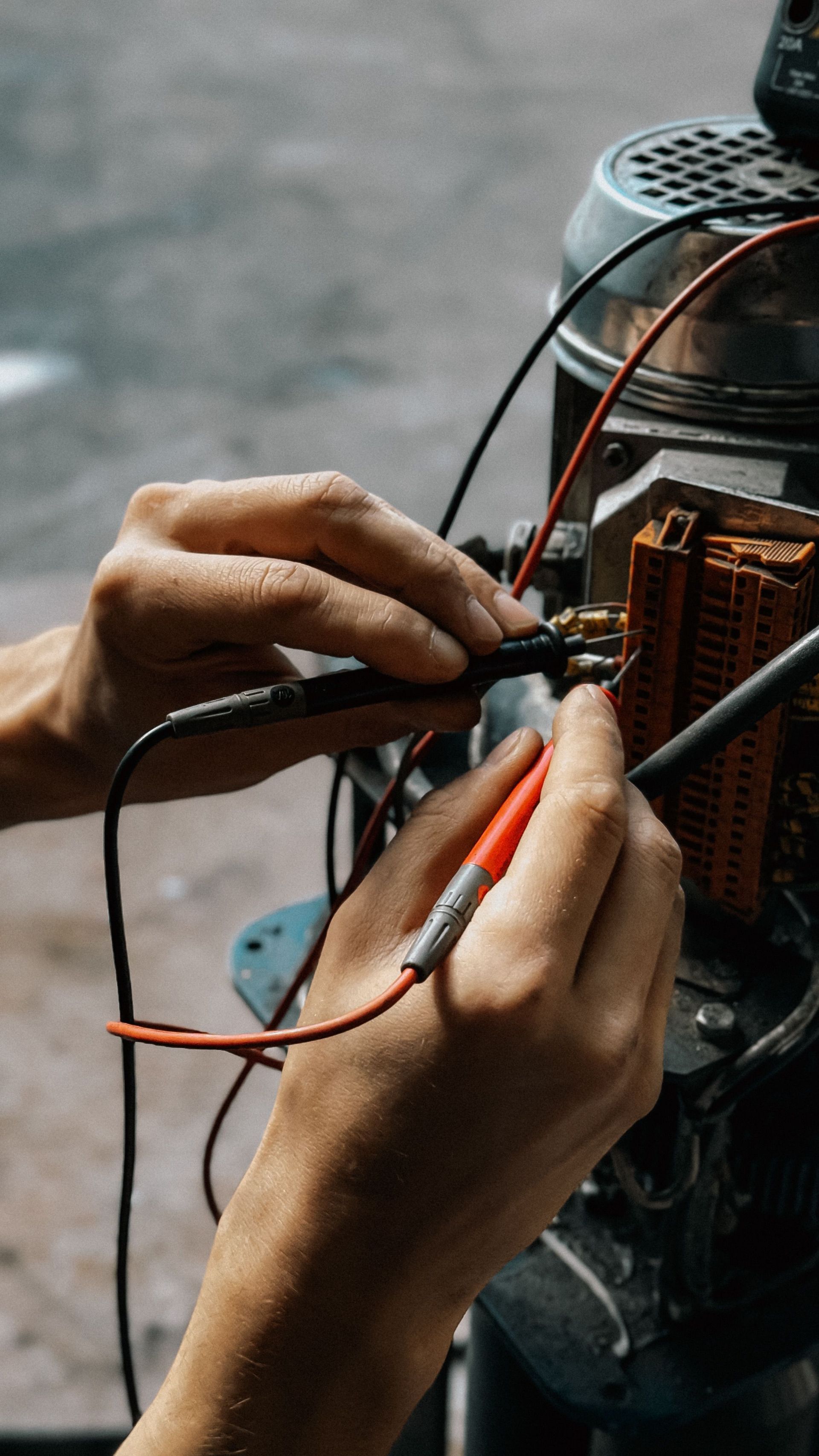
The electrician tests circuits with a multimeter, checks connections at outlets and switches, inspects the panel for signs of heat or corrosion, and isolates the section of the circuit where voltage drops or continuity fails.
How is troubleshooting different in homes with aluminum wiring?
Aluminum wiring, common in San Diego homes built in the 1960s and early 1970s, expands and contracts more than copper, which causes connections to loosen over time. Troubleshooting these systems requires inspecting every connection point for oxidation and ensuring terminals are rated for aluminum conductors.
What tools are used to locate intermittent faults?
Intermittent problems require load testing, thermal imaging to detect hot spots, and sequential testing of each device on the circuit to replicate the failure under actual operating conditions.
What can you check before calling for troubleshooting?
Confirm that the breaker is fully reset—not just flipped back on, but switched all the way off and then on—and verify that GFCI outlets in kitchens, bathrooms, and outdoor areas have not tripped and cut power to downstream outlets.
What changes after the fault is repaired?
Circuits stop tripping under normal load, outlets deliver consistent voltage, and lights remain steady. You no longer experience power loss in specific rooms or devices that fail to operate reliably.
Dorado Electrical Solutions troubleshoots electrical systems throughout residential and commercial properties, identifying the root cause of failures so repairs address the actual problem rather than symptoms. Request a diagnostic appointment to determine what is causing recurring electrical issues in your system.