Circuits That Support What the Business Actually Runs
Commercial wiring in San Diego for businesses adding equipment, expanding capacity, or running new circuits in existing or tenant-improvement spaces
Older office and retail properties in San Diego were built when equipment loads looked nothing like today's—a panel sized for fluorescent lighting and basic HVAC rarely has the headroom for the circuits a modern tenant actually needs. Dorado Electrical Solutions approaches commercial wiring by checking panel capacity against the planned load before a single wire is run, which prevents the common problem of completing an installation that immediately trips breakers or requires a panel upgrade no one budgeted for. The owner brings 19 years of electrical field experience to each commercial project and personally oversees the work from load review through final labeling.
The process begins with a review of the load requirements—what equipment will run, what circuits already exist, and what the panel can realistically support. In commercial properties in Kearny Mesa and similar mixed-use corridors, that evaluation often reveals panels running close to capacity with circuits that aren't labeled accurately, which changes what the installation plan looks like before work starts. Wiring is then run to the planned locations in the correct wire gauge for the load, and once the installation is complete, it is tested and labeled clearly so the business can operate and maintain the system without ambiguity about which breaker controls what.
To arrange a load review and written estimate for a commercial wiring project, call Dorado Electrical Solutions at (951) 454-8624.
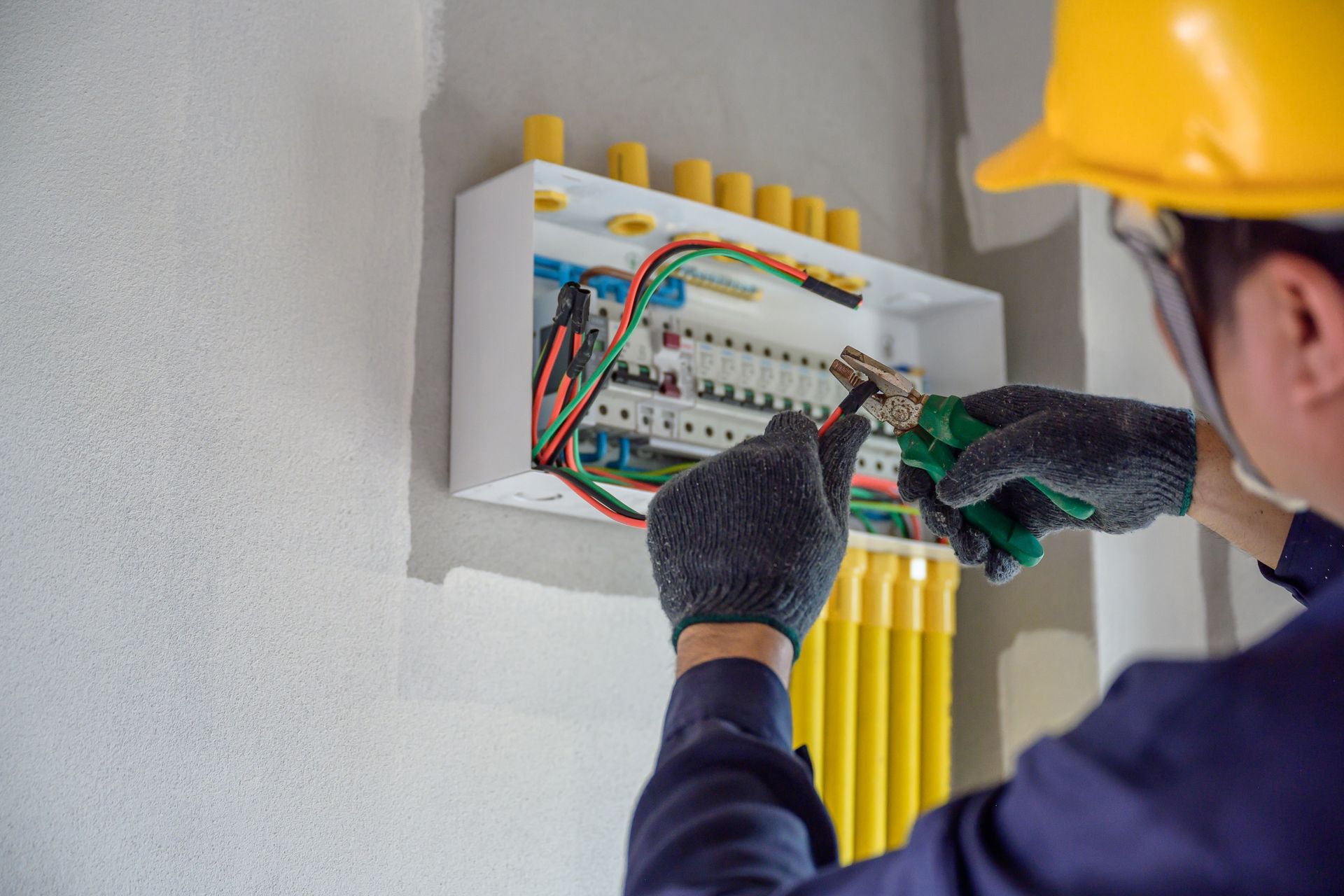
Commercial wiring differs from residential work in how loads are calculated, how circuits are protected, and what the finished installation needs to support over the life of the tenancy. Before any wire is run, the existing panel must be evaluated for available capacity—not just open breaker slots, but actual amperage headroom considering what's already drawing load. Skipping this step produces installations that technically complete but fail under real operating conditions, typically showing up as tripped breakers within days of the business opening.
After installation, the observable difference is straightforward: dedicated circuits handle the equipment they were designed for without nuisance trips, the panel is labeled accurately enough that any licensed electrician working on the system later can follow it, and the business doesn't need to call back about a breaker that won't hold. Dorado Electrical Solutions tests each completed circuit before signing off, so the business owner knows the wiring performs under load before the project is considered finished.
Commercial wiring projects also require attention to code requirements that don't apply in residential settings—conduit types, wire fill ratios, equipment disconnects, and in some occupancies, arc-fault or ground-fault protection on specific circuits. The scope of work, and whether any portion requires a permit and inspection, depends on the type of installation and the occupancy classification of the space. Dorado Electrical Solutions is licensed, insured, and has operated since 2004, so these determinations are made correctly at the planning stage rather than discovered during a final inspection.
Answers About How the Commercial Wiring Work Gets Done
Commercial wiring projects involve decisions that affect both the immediate installation and the long-term reliability of the system. The questions below address the practical details of how the work is planned, executed, and handed off.
How is panel capacity evaluated before new circuits are added?
The existing panel is reviewed for its rated ampacity, the loads currently assigned to it, and the available slots—then that figure is compared against the planned new load to determine whether the panel can support the addition or whether a service upgrade needs to be part of the scope.
What type of wiring is used in commercial spaces compared to residential?
Commercial installations typically use conduit-enclosed wiring rather than the romex cable common in residential construction, which allows individual conductors to be pulled, replaced, or added later without opening walls. The conduit type depends on the application, location, and local code requirements for that occupancy.
Why does labeling matter once the commercial wiring installation is complete?
Accurate panel labeling means that when equipment is serviced, a breaker trips unexpectedly, or new work is added later, anyone working on the system can identify the correct circuit without testing every breaker. Mislabeled panels in older commercial properties are one of the most common causes of unnecessary service calls.
What happens during the testing phase after commercial wiring is finished?
Each circuit is verified for continuity, polarity, and ground integrity before devices or equipment are connected. Load testing under operating conditions confirms the circuit performs correctly at the amperage it was designed to carry.
How does the building's age affect the approach to commercial wiring in San Diego?
Buildings in established commercial corridors were often constructed decades apart and wired to the code of their era, which means panel ratings, grounding systems, and conduit types can vary significantly even within a single block. Evaluating what's already in place determines whether new circuits can tie into the existing system or whether portions of it need to be brought to current standards first.
Dorado Electrical Solutions also completes commercial wiring projects in Chula Vista, Bonita, La Mesa, San Carlos, and Coronado. To schedule a site review for your commercial space, call (951) 454-8624 and describe what the installation needs to support.